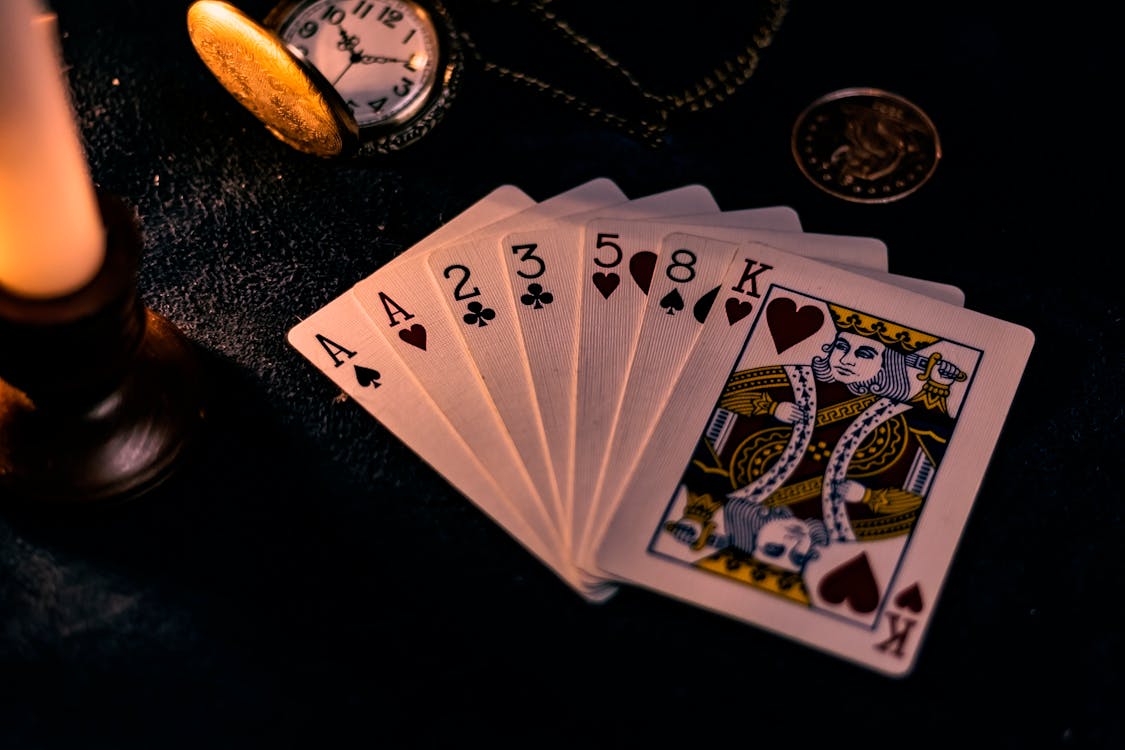

Once you learn how to play poker and unleash your inner gambler, you will become a force to be reckoned with at the table. With this comprehensive guide, you’ll learn the ins and outs of the game, from basic rules and strategies to advanced techniques that will give you an edge over your opponents. Get ready to dominate the table and take home those big wins.


Jackpot Star
✔️ 100 bonus spins to play on 777 Strike
✔️ All major payment methods
✔️ £10 minimum deposit

Slots Magic
✔️ UK Gambling license
✔️ 24/7 live chat
✔️ Other casino games available
The Art of Poker: A Comprehensive Guide to Mastering the Game
If you’ve ever watched a game of poker and felt a thrill at the thought of being in control, making calculated bets, and outsmarting your opponents, you’re not alone. Poker has been a popular pastime for centuries, with variations popping up all over the world. But it’s no longer just a casual game played among friends – in 2024, poker has become a highly competitive sport, with professional players earning millions of dollars in prize money.
But don’t let that intimidate you! With dedication and practice, anyone can learn how to play poker like a pro. In this guide, we’ll take you through everything you need to know to unleash your inner gambler and dominate the table.
History of Poker: From Saloons to High-Stakes Tournaments
Before we delve into the rules and strategies of poker, let’s take a trip back in time to understand its origins. The exact origins of poker are unclear, but many historians believe it evolved from various card games from different cultures around the world. It was first recorded as poque by French settlers in New Orleans in the early 1800s.
By the mid-19th century, poker had made its way to saloons where cowboys would gather after a long day on the ranch. However, it wasn’t until 1970 that poker gained mainstream popularity when the World Series of Poker (WSOP) was established in Las Vegas. This annual event attracts thousands of players from all over the globe and offers multi-million dollar prizes.
Fast forward to 2024 and poker is now recognized as a mind sport by International Mind Sports Association (IMSA). It has also gained significant media coverage with televised events such as the World Poker Tour (WPT) and European Poker Tour (EPT), as well as online poker sites, making it accessible to players of all levels.
The Basics: How to Play Poker
Now that you have a brief history of poker, let’s dive into the basic rules. The game is played with a standard deck of 52 cards and can be played with anywhere from two to ten players. Each player receives a set number of chips at the beginning of the game, and the goal is to win your opponents’ chips by having the best hand or by bluffing them out of the game.
The first step in learning how to play poker is understanding the different hand rankings. They are (in ascending order): high card, one pair, two pairs, three of a kind, straight, flush, full house, four of a kind, straight flush, and royal flush. Your goal is to make the highest-ranked hand possible using five out of seven total cards – two hole cards (dealt face down) and five community cards (dealt face up).
After receiving their hole cards, players take turns placing bets based on their confidence in their hands. This process continues through multiple rounds until either everyone has folded except for one player (who wins automatically) or until all remaining players show their hands and compare who has the highest-ranking hand.
TIP: It may seem daunting at first, but don’t get overwhelmed by trying to memorize every possible hand combination. With practice and experience playing different variations of poker such as Texas Hold’em or Omaha Hi-Lo, you’ll start recognizing patterns and developing better strategic thinking skills.
Poker Strategies: Tips for Winning Big
While luck does play a role in winning at poker, it’s ultimately strategy that separates amateur players from professionals. Here are some essential tips for improving your gameplay:
Know When to Bet Or Fold
One crucial skill to master in poker is knowing when to bet or fold. While it’s tempting to stay in the game and see if a lucky card comes your way, sometimes folding is the smarter option. Don’t get emotionally attached to your cards – be strategic and think about the odds of winning before making a decision.
Observe Your Opponents
Poker is as much about reading your opponents as it is about playing your hand. Keep an eye on their body language, betting patterns, and reactions throughout the game. This will help you make more informed decisions and potentially catch them bluffing.
TIP: Try not to give away too many tells yourself – keep a straight face and don’t let your emotions show through your actions.
Practice Bankroll Management
In any form of gambling, including poker, it’s essential to have proper bankroll management. Set limits for how much you’re willing to spend and stick to them. It’s also crucial to understand that there will be ups and downs in poker, so don’t chase losses by placing larger bets than you can afford.
Be Patient
Poker is a game of patience and discipline. Just because you haven’t had a good hand yet doesn’t mean you should start taking unnecessary risks. Wait for strong hands and use this time to observe other players’ strategies and tendencies.
TIP: Remember that each hand is independent of the previous one – just because you’ve been losing doesn’t mean luck won’t eventually turn in your favor.
The Mental Game: Staying Focused Under Pressure
Playing poker requires intense focus and concentration, especially during high-stakes tournaments where pressure can run high. Here are some tips for staying mentally tough during gameplay:
Take Breaks
It’s easy to get caught up in the excitement of a game, but don’t forget to take breaks. Get up and stretch, grab a drink or snack, and clear your mind before jumping back into the action.
Practice Mindfulness
Being present in the moment is crucial for making quick decisions and reading your opponents accurately. Take deep breaths when you feel yourself getting overwhelmed or distracted.
TIP: If you find yourself struggling with staying focused, try incorporating mindfulness exercises into your daily routine to improve overall mental clarity.
Learn From Your Mistakes
Learning from failure is an essential aspect of any successful endeavor – poker is no exception. Don’t beat yourself up over mistakes or bad plays; instead, use them as learning opportunities for future games.
Beyond the Basics: Advanced Strategies for Experienced Players
Once you’ve mastered the basics of poker and feel confident at the table, it’s time to start exploring more advanced strategies that will give you an edge over other players. Here are some techniques commonly used by professional players:
The Bluff
Bluffing is one of the oldest tricks in the book when it comes to poker. It involves betting aggressively on a hand that may not be strong enough to win but could potentially bluff others into folding their stronger hands.
The Semi-Bluff
Similar to bluffing, a semi-bluff involves placing bets on a hand that isn’t entirely hopeless but has potential if certain cards come out in later rounds. This tactic can also help keep other players guessing about what kind of hand you have.
TIP: Be careful not to rely too heavily on bluffing as it can easily backfire if your opponent calls your bet and reveals a better hand than yours.
The Slow Play
Sometimes, having a strong hand can work against you if your opponents fold too quickly. In these situations, the slow play strategy involves playing conservatively and allowing others to bet into your hand gradually.
The Verdict
As we’ve seen, poker is much more than just a game of chance – it’s an intricate mind sport that takes discipline, strategy, and practice to master. Whether you’re looking to compete in high-stakes tournaments or just enjoy a casual game with friends, following these tips will give you the best chances of success at the table. Sometimes, it’s important to take advantange of special offers and deals like ZotaBet Casino Bonus Codes “>bonus codes, look no farther than ZotaBet Casino.
Can playing free online poker help improve my skills and understanding of the game?
Yes, playing free online poker can definitely help you improve your skills and understanding of the game. It allows you to practice and familiarize yourself with different strategies and techniques without risking any money. Many online poker sites offer tutorials and tips for beginners, making it a great learning tool. As you play more games, you will gain experience and develop a better understanding of the game which can ultimately improve your overall gameplay. Before you start playing at any online casino, make sure to do your research and find the {"@context":"https://schema.org","@type":"FAQPage","mainEntity":[{"@type":"Question","name":"Are there any specific strategies or techniques beginners should learn before playing poker?","acceptedAnswer":{"@type":"Answer","text":"Yes, there are multiple strategies and techniques that beginners can learn before playing poker. These include understanding the ranking of hands, familiarizing oneself with the rules of different variations, learning basic betting and bluffing strategies, and practicing bankroll management. It is also important to observe opponents' behavior and make informed decisions based on their actions. Staying patient and maintaining a calm demeanor can greatly improve one's chances of success in poker."}},{"@type":"Question","name":"How important is it to understand the different types of poker games before starting to play?","acceptedAnswer":{"@type":"Answer","text":"Understanding the different types of poker games is crucial before starting to play. Each game has its own set of rules, strategies, and nuances that can greatly impact your gameplay. It is important to know if you are playing Texas Hold'em, Omaha, or another variation in order to make informed decisions and improve your chances of winning."}},{"@type":"Question","name":"Can playing free online poker help improve my skills and understanding of the game?","acceptedAnswer":{"@type":"Answer","text":"Yes, playing free online poker can definitely help you improve your skills and understanding of the game. It allows you to practice and familiarize yourself with different strategies and techniques without risking any money. Many online poker sites offer tutorials and tips for beginners, making it a great learning tool. As you play more games, you will gain experience and develop a better understanding of the game which can ultimately improve your overall gameplay."}},{"@type":"Question","name":"In a live game, what are some essential etiquette rules that players should follow?","acceptedAnswer":{"@type":"Answer","text":"Some essential etiquette rules that players should follow in a live poker game include: always act in turn, keep your cards visible and above the table at all times, refrain from talking or texting on your phone while playing, respect the dealer and fellow players, avoid excessive celebrations or complaints after winning or losing a hand, and fold quietly if you are not involved in a particular hand. It is important to remember to handle chips and cards with care to avoid disrupting the game."}}]}